We Haven’t Pumped Our Septic Tank in 10 Years
Many homeowners assume that if the toilets still flush and the drains still work, the septic system must be fine. The reality is that septic problems often build slowly over many years before obvious symptoms appear.
We regularly inspect systems across Upstate South Carolina that have gone 10 years or longer without pumping. In some homes, the tank is nearly full of solids. In others, the drain field has already started struggling because waste has been leaving the tank for years unchecked.
At Prime Septic, we help homeowners determine the condition of neglected septic systems before a small issue becomes a sewage backup or major replacement project. If your septic tank hasn’t been pumped in many years, here’s what you should know.
Can a septic tank really go 10 years without pumping?
Technically, yes. Some septic systems continue functioning for long periods without maintenance, especially in smaller households or homes with low water usage.
However, “still functioning” does not necessarily mean the system is healthy.
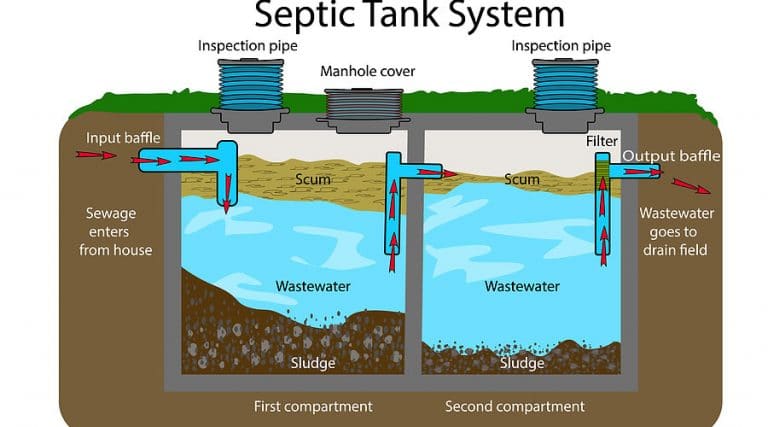
As solids continue building inside the tank, there is less room available for wastewater separation. Eventually, sludge can begin reaching the outlet side of the tank and moving toward the drain field.
Once solids begin entering the drain field, the risk of long-term damage increases significantly.
Routine septic tank pumping and system inspections are designed to prevent this from happening.
What usually happens inside the tank after years without maintenance?
Over time, neglected septic systems often develop several problems at once. The exact condition depends on household usage, tank size, soil conditions, and whether the system has experienced backups before.
Excess sludge buildup
The most common issue is excessive sludge accumulation inside the tank. Eventually, the tank loses enough usable capacity that wastewater can no longer separate properly.
At that point, homeowners may begin noticing slow drains, odors, or wastewater movement issues throughout the house.
Restricted outlet filters
Many modern systems include outlet filters designed to keep solids from entering the drain field. After years without maintenance, these filters are often heavily restricted.
Professional filter inspections help determine whether the filter is clogged, damaged, or overdue for cleaning.
Drain field stress
If solids have been reaching the drain field for years, the soil may begin losing its ability to absorb wastewater properly.
This can eventually lead to standing water, sewage odors, soggy ground, or the need for drain field repair.
Pump and float problems
Systems with pumps, alarms, or lift stations may also develop mechanical issues when maintenance has been neglected for too long.
In some cases, homeowners may require dose pump repairs or additional troubleshooting to restore proper wastewater flow.
Signs your septic system may already be struggling
Even if the system hasn’t fully backed up yet, there are often warning signs that the tank is overdue for service.
-
- Slow drains throughout the home
- Toilets flushing sluggishly
- Gurgling sounds from plumbing fixtures
- Strong odors near the septic tank or drain field
- Wet or unusually green patches in the yard
- Septic alarms activating
- Wastewater backing up into tubs or showers
These problems are common in older systems throughout Belton, Greenville, Piedmont, and Simpsonville, especially after heavy rainfall or periods of increased household water use.
If multiple symptoms are happening at once, the system should be professionally evaluated before larger damage occurs.
What should homeowners do first?
If your septic tank hasn’t been pumped in 10 years or longer, the safest approach is to have the system professionally inspected before waiting for a backup.
Start with a professional septic inspection
A full septic inspection helps determine the condition of the tank, filter, drain field, pumps, and visible system components.
This allows technicians to identify whether the system simply needs overdue maintenance or if larger repairs may already be developing.
Schedule septic pumping
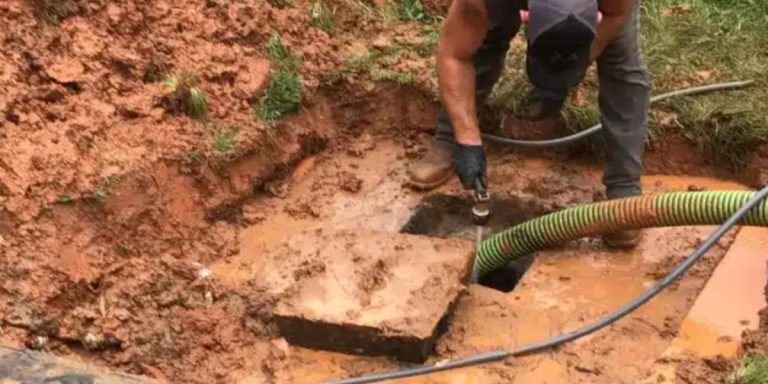
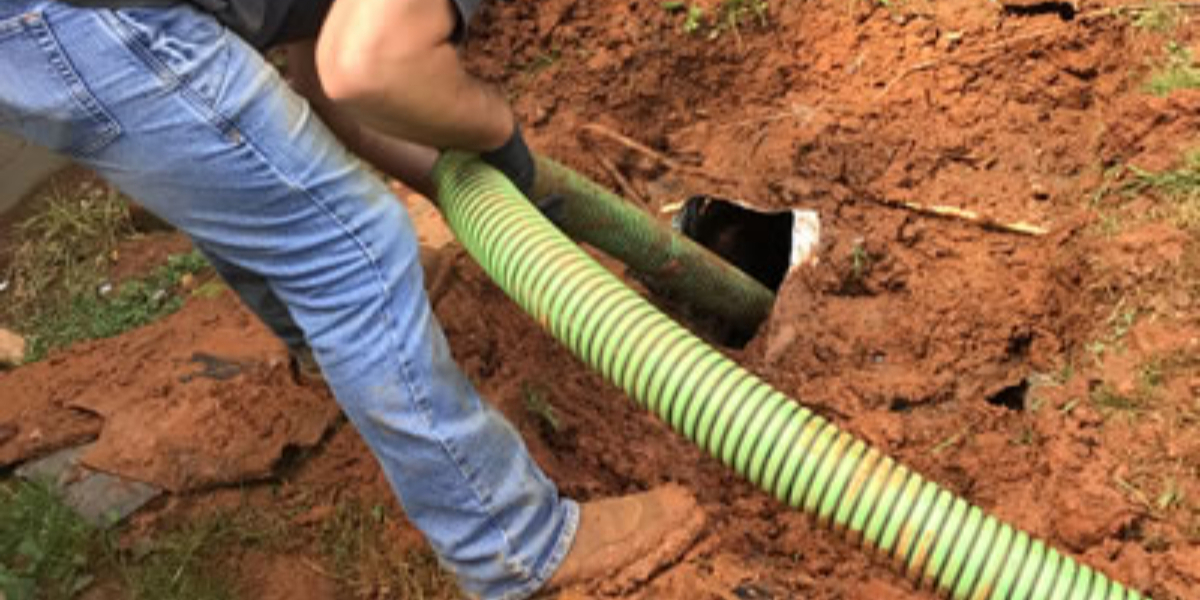
In most cases, professional pumping is the next step. Removing accumulated solids restores capacity inside the tank and reduces stress on the rest of the system.
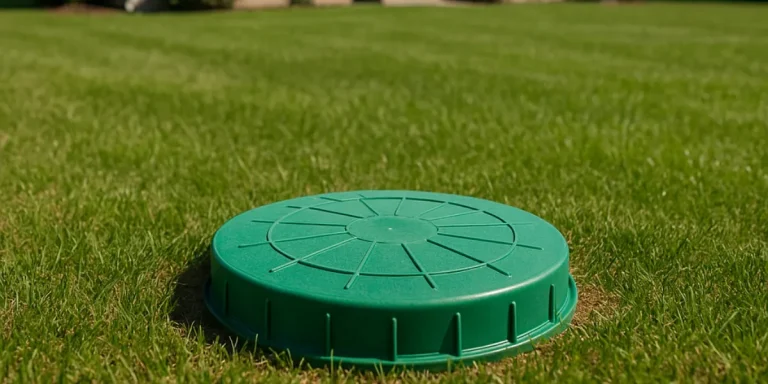
During septic pumping, technicians can also inspect the condition of filters, risers, lids, and wastewater flow.
Evaluate the drain field condition
If the system has been neglected for many years, the drain field may already be under stress.
Professional evaluation helps determine whether wastewater is still dispersing correctly or if additional drain field service is needed.
Address damaged or aging components
Neglected systems sometimes reveal issues involving pumps, alarms, cracked lids, or inaccessible tank openings.
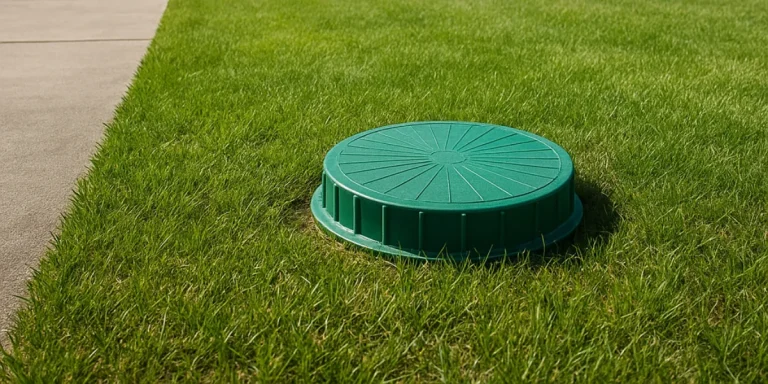
Upgrades like septic tank risers can make future maintenance easier while improving access for inspections and pumping.
Will pumping the tank suddenly “shock” the system?
Homeowners sometimes worry that pumping an old septic tank will somehow cause the system to fail afterward. In reality, pumping itself does not damage a healthy septic system.
What usually happens is that the system already had hidden problems caused by years of neglect. Once the tank is cleaned and wastewater flow changes, existing drain field or component issues become easier to notice.
This is why professional inspections are so important for overdue systems. Pumping may solve the issue entirely, or it may reveal the need for additional septic repairs or even system replacement in severe cases.
When neglected septic systems become emergencies
Waiting too long to address an overdue septic system can eventually lead to sewage backups, wastewater surfacing in the yard, and expensive repairs.
Contact Prime Septic immediately if you notice:
-
- Sewage backing up into showers, tubs, or toilets
- Strong odors inside or outside the home
- Large wet areas near the septic field
- Repeated septic alarms
- Wastewater surfacing above the drain field
Our team provides septic repairs, troubleshooting, inspections, pumping, and wastewater evaluations throughout Upstate South Carolina.
We also service larger and higher-use wastewater systems including holding tank pumping, RV park septic pumping, lift station installation, and catch basin service.
Proudly serving homeowners across Upstate South Carolina
Prime Septic provides septic pumping, inspections, repairs, filter inspections, riser installations, pump repairs, and drain field services throughout Upstate South Carolina.
We proudly serve homeowners and property owners in:
Whether your system simply needs overdue maintenance or requires larger repairs, our team can evaluate the condition of the septic system and recommend the right next step.
For commercial and higher-use properties, we also provide grease trap pumping, lift station support, wastewater pumping, and septic services for RV parks and holding tanks.
Schedule your septic service today
Ignoring a septic tank for 10 years or longer can eventually lead to serious wastewater problems.
Slow drains, odors, alarms, wet drain field areas, and sewage backups are all signs the system may already be under significant stress.
Contact Prime Septic today to schedule septic pumping, a system inspection, or a full septic evaluation. Our experienced team helps homeowners across Upstate South Carolina safely inspect and service neglected septic systems before major failures occur.