How Often Should You Pump Your Septic Tank?
Many homeowners assume septic pumping is only necessary once something starts going wrong. The reality is that septic systems often continue functioning quietly for years while sludge and solid waste slowly build up inside the tank.
By the time obvious warning signs appear, the system may already be under significant stress. Slow drains, sewage odors, wet drain field areas, septic alarms, and backups are all common signs that a septic tank may be overdue for maintenance.
At Prime Septic, we help homeowners throughout Upstate South Carolina stay ahead of septic problems through routine septic tank pumping, inspections, filter cleaning, repairs, and wastewater system maintenance. In this guide, we’ll explain how often septic tanks should be pumped, what affects pumping frequency, and what can happen if maintenance is ignored for too long.
How often should a septic tank be pumped?
A septic tank should generally be pumped every 3 to 5 years, but the correct schedule depends heavily on the property, the size of the tank, how many people live in the home, and how much wastewater the household produces on a regular basis.
Some homeowners assume septic pumping is only necessary once problems begin appearing. In reality, septic pumping is preventative maintenance designed to remove accumulated sludge before it creates wastewater flow issues or damages the drain field.
The longer solids remain inside the tank, the greater the chance they begin reaching filters, pumps, and the drain field itself. Once solids start escaping the tank, repair costs can increase quickly.
Several factors can affect how often pumping is needed:
-
- Household occupancy and daily wastewater usage
Homes with larger families generally require more frequent pumping because the system processes more wastewater every day. Additional showers, laundry loads, dishwasher cycles, and toilet flushing all contribute to faster sludge buildup inside the septic tank. - Water usage habits inside the home
Frequent laundry, long showers, leaking toilets, heavy garbage disposal use, and excessive water usage can overload a septic system much faster than many homeowners realize. Even a properly functioning septic tank can become stressed if too much water enters the system in short periods of time. - Tank size and septic system design
Smaller septic tanks naturally fill more quickly than larger systems. Some advanced systems with pumps, lift stations, or additional treatment components may also require more frequent monitoring and maintenance. - Maintenance history and overall system condition
Systems that have gone many years without service often develop heavy sludge buildup, restricted filters, or early drain field stress. In these situations, professional septic inspections become even more important. - Condition of the septic filter and drain field
A restricted outlet filter or struggling drain field can create warning signs long before the tank is technically “full.” Regular filter inspections help identify these problems before they become larger wastewater issues.
- Household occupancy and daily wastewater usage
We regularly help homeowners throughout Belton, Greenville, Piedmont, Pelzer, and Simpsonville evaluate systems that have unknowingly gone far too long without maintenance.
In many cases, homeowners are unsure when the septic tank was last pumped because records were lost or previous owners neglected the system entirely. A professional system inspection can help determine the condition of the tank and whether your current pumping schedule is still appropriate.
Routine septic tank pumping is one of the most important things homeowners can do to protect the overall lifespan of their wastewater system.
What actually happens during septic tank pumping?
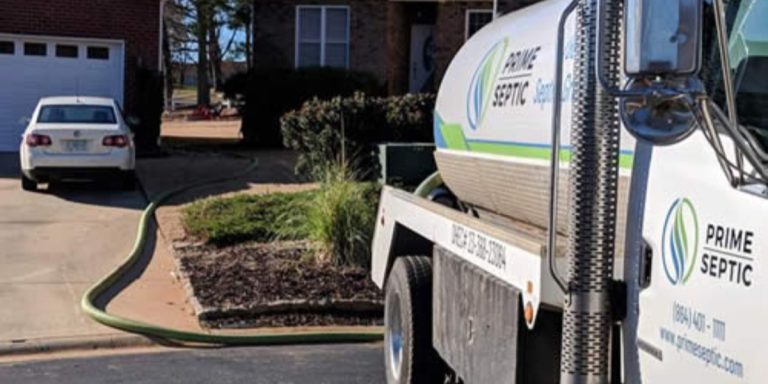
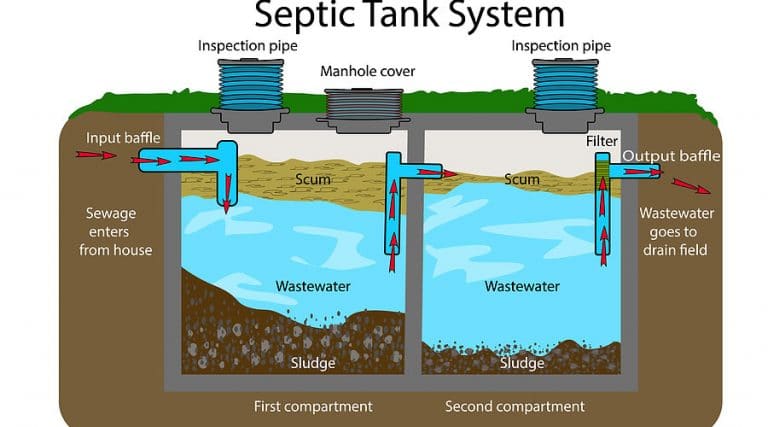
Many homeowners picture septic pumping as simply removing liquid waste from the tank, but the process involves much more than that. A proper pumping service removes years of accumulated sludge, floating scum, and wastewater buildup that can eventually damage the rest of the system.
Professional pumping also gives technicians an opportunity to inspect the condition of visible septic components and identify developing issues before they turn into expensive repairs.
The septic tank is located and safely accessed
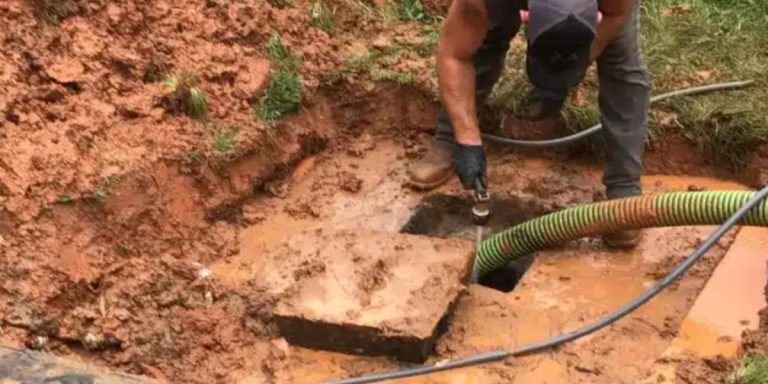
Before pumping can begin, the septic tank must be located and opened safely. Some tanks already have exposed lids or access points, while others may be buried beneath soil, grass, gravel, or landscaping.
Many homeowners eventually choose to install septic tank risers after service is completed. Risers bring the access point closer to ground level and make future pumping, inspections, and repairs significantly easier.
Sludge and waste buildup are removed from the tank
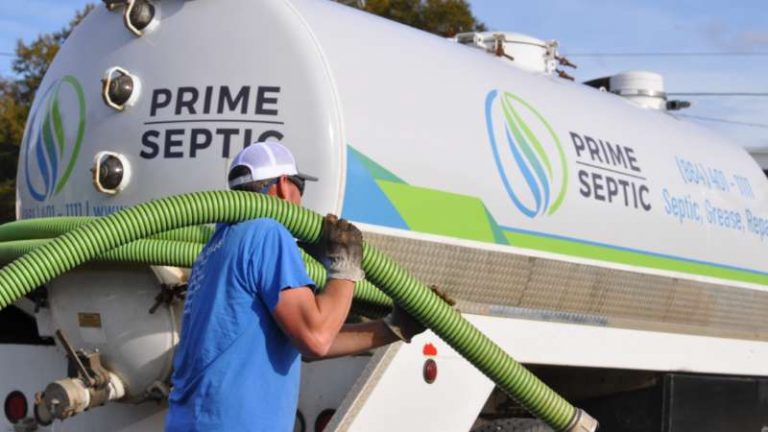
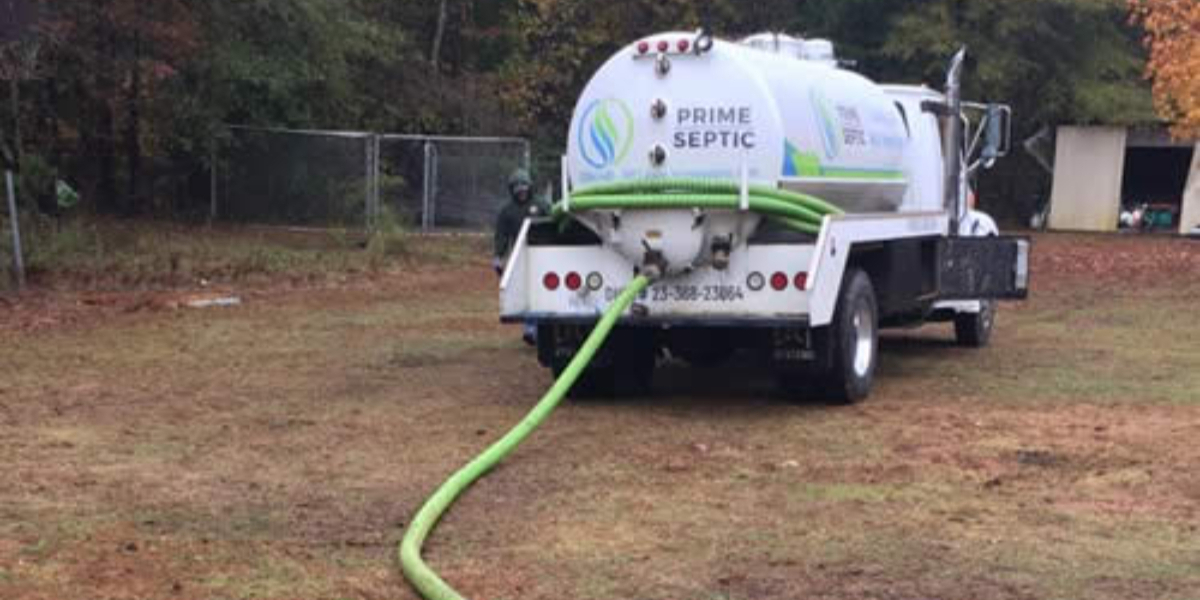
Specialized vacuum equipment removes the sludge layer, floating scum, and wastewater that have accumulated inside the tank over time.
This buildup is completely normal in every septic system, but if it is not removed regularly, the tank eventually loses the ability to properly separate solids from wastewater.
Once solids begin escaping the tank and reaching the drain field, the likelihood of long-term wastewater problems increases significantly.
Filters and visible system components are inspected
During pumping, technicians commonly inspect outlet filters, visible baffles, wastewater flow conditions, lids, and other accessible components inside the tank.
Professional filter inspections and cleaning are especially important because restricted filters can slow wastewater movement and increase the risk of backups throughout the home.
In some homes, pumping appointments reveal that filters have not been cleaned in many years and are already heavily restricted.
The overall system is checked for warning signs
A pumping appointment also provides an opportunity to identify larger septic problems that may not yet be obvious to the homeowner.
Technicians may notice signs of drain field stress, wastewater flow restrictions, damaged components, pump issues, or early symptoms of larger septic repair needs.
Catching these problems early can often help homeowners avoid much more expensive repairs later.
What happens if you don’t pump your septic tank?
A septic tank that goes too long without pumping will eventually begin struggling to properly separate wastewater, sludge, and floating waste materials.
While the system may continue appearing “normal” for a period of time, damage is often developing slowly behind the scenes as solids accumulate inside the tank and begin affecting the rest of the system.
Many homeowners do not realize there is a problem until the system starts producing obvious warning signs like odors, slow drains, standing water, or sewage backups.
Overdue septic pumping can eventually lead to:
-
- Slow drains throughout the home
As sludge levels rise, wastewater begins moving more slowly through sinks, showers, tubs, and toilets. Homeowners often notice multiple fixtures struggling at the same time. - Clogged septic filters and restricted wastewater flow
Heavy sludge buildup can clog outlet filters and reduce wastewater flow leaving the tank. This is why regular filter maintenance is so important for long-term system health. - Drain field damage and saturation
When solids begin reaching the drain field, the surrounding soil can lose its ability to absorb wastewater properly. This may eventually require expensive drain field repair or rehabilitation work. - Pump, float, and alarm failures
Advanced systems with pumps or lift stations can experience additional strain when wastewater flow becomes restricted. In some homes, this eventually leads to dose pump repairs or electrical troubleshooting. - Sewage backing up into the home
Once the system becomes overloaded enough, wastewater may begin backing up into tubs, showers, toilets, or floor drains. At this stage, the situation usually becomes urgent.
- Slow drains throughout the home
Ignoring septic maintenance long enough can eventually result in severe wastewater damage and even the need for complete septic system replacement in extreme cases.
Warning signs your septic tank may already be overdue
Septic systems usually provide warning signs before a complete failure occurs. Paying attention to these symptoms early can help homeowners avoid much larger repair costs later.
Many of these warning signs become more noticeable after heavy water use, extended rainfall, or long periods without septic maintenance.
Slow drains and sluggish toilets
If multiple fixtures throughout the home are becoming slower over time, the septic tank may be nearing capacity.
This is especially common in systems that have not been pumped in several years or have clogged outlet filters restricting wastewater flow.
Strong odors near the septic system
Sewage smells near the septic tank, drain field, or plumbing fixtures often indicate wastewater is no longer moving through the system correctly.
Odors combined with slow drains or wet ground should always be professionally evaluated before the issue worsens.
Wet or soggy drain field areas
Standing water or saturated ground near the septic field can indicate the drain field is becoming overloaded and struggling to absorb wastewater properly.
This may be an early warning sign of a developing drain field problem.
Septic alarms activating repeatedly
Homes with pumps or lift stations may trigger alarms when wastewater levels become too high or flow becomes restricted.
Repeated alarms should always be professionally inspected before wastewater begins backing up into the house.
Wastewater backing up into tubs or showers
Once sewage begins entering the home, the system has usually been under stress for some time.
At this stage, professional pumping, inspection, and possibly additional repairs may be needed immediately.
What homeowners should do to protect the system long-term
Routine maintenance is one of the best ways to extend the life of a septic system and reduce the likelihood of expensive wastewater emergencies.
Homeowners who stay proactive with pumping, inspections, and repairs are far less likely to experience major backups or premature drain field failure.
1. Follow a consistent pumping schedule
Routine septic pumping removes sludge before it begins damaging the rest of the system.
Waiting until odors or backups appear usually means the system has already been struggling for some time.
2. Schedule regular septic inspections
Periodic system inspections help identify developing issues before they turn into expensive repairs.
This is especially important for older systems or homes with unknown septic maintenance history.
3. Keep filters and pumps maintained
Restricted filters and neglected pumps can create wastewater flow problems long before homeowners notice obvious symptoms.
Routine filter inspections and pump evaluations help wastewater continue moving through the system properly.
4. Address repairs early before damage spreads
Small septic problems almost always become more expensive when ignored.
Professional repairs performed early may help avoid much larger system failures later.
5. Keep clear records of septic maintenance
Many homeowners lose track of when the septic tank was last pumped, especially after purchasing an older home.
Keeping service records makes it much easier to establish a safe long-term pumping schedule moving forward.
When overdue septic maintenance becomes an emergency
Some septic systems continue operating for years without service, but eventually the risk of backups, drain field damage, and wastewater exposure increases significantly.
Contact Prime Septic immediately if you notice:
-
- Sewage backing up into tubs, showers, or toilets
- Strong sewage odors inside or outside
- Large wet areas near the drain field
- Repeated septic alarms or pump failures
- Wastewater surfacing above the drain field
Our team provides septic system repair, inspections, pumping, troubleshooting, and drain field evaluations for homeowners across the region.
Prime Septic also services wastewater systems beyond standard residential tanks, including holding tank pumping, RV park septic pumping, lift station installation, and catch basin service for properties with more complex wastewater or drainage needs.
Proudly serving homeowners across Upstate South Carolina
Prime Septic provides septic pumping, inspections, repairs, filter inspections, riser installations, pump repairs, and drain field services throughout Upstate South Carolina.
We proudly serve homeowners and property owners in:
Whether you need routine septic maintenance, help with an active backup, or an expert opinion before a small problem gets worse, our team can evaluate the system and recommend the right next step.
For commercial and higher-use properties, we also provide services such as grease trap pumping, lift station support, holding tank pumping, and wastewater service for RV parks and similar properties.
Schedule your septic service today
Routine septic pumping is one of the best ways to protect your septic system from expensive repairs and backups.
Slow drains, odors, alarms, and wet drain field areas are often signs the system may already be overdue for maintenance.
Contact Prime Septic today to schedule septic pumping, a system inspection, or a full septic evaluation. Our experienced team provides reliable septic services for homeowners across Upstate South Carolina.