Can’t Find Your Septic Tank Lid? Here’s What To Do
One of the most frustrating septic problems for a homeowner is scheduling service and realizing nobody knows where the septic tank lid is. The tank may be buried under grass, mulch, gravel, soil, or landscaping that has changed over the years.
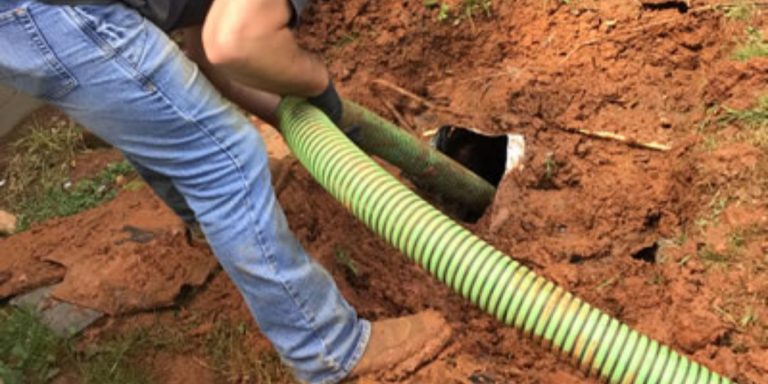
If you can’t find your septic tank lid, the best step is to avoid random digging and have the tank professionally located. Guessing can damage lines, disturb the drain field, or create unsafe conditions around the tank.
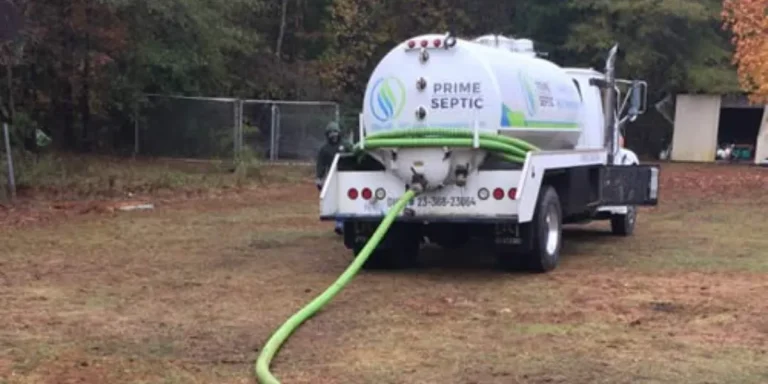
At Prime Septic, we help homeowners across Upstate South Carolina locate septic tanks, access buried lids, perform septic system inspections, and install septic tank risers that make future service much easier.
Why septic tank lids can be hard to find
Septic tank lids are not always visible from the surface. Many older systems were installed with lids several inches or even feet below grade. Over time, grass, soil, erosion, and landscaping can completely hide the access points.
If the home has changed owners, the original septic records may be missing. That often leaves homeowners guessing where the tank is located until they need septic tank pumping, repairs, or an inspection.
Common reasons septic lids become buried:
-
- The lid was installed below grade
Many systems were not built with risers, which means the access lid may be buried underground and difficult to see. - Landscaping has changed over time
Mulch beds, gravel, shrubs, patios, and yard grading can cover or hide the septic access area. - Previous owners did not leave records
If the system has not been serviced recently, there may be no clear map showing where the tank, lid, or drain field is located. - Soil has settled or built up
Years of lawn growth, erosion, and topdressing can make the lid harder to identify from the surface.
- The lid was installed below grade
We commonly see buried or hard-to-find septic lids in homes throughout Belton, Greenville, Piedmont, Simpsonville, and nearby Upstate communities.
A professional septic system inspection can help locate the tank, confirm the condition of access points, and determine whether the system needs pumping, filter service, or septic system repair.
Clues that may help locate your septic tank lid
A buried lid can be difficult to spot, but there are often signs that help narrow down the tank location. These clues can be useful, but they should not replace professional locating if the tank is deeply buried or the property layout is unclear.
Knowing the general area can help speed up service and reduce unnecessary digging.
Look for where the main sewer line exits the home
The septic tank is usually located in line with the main sewer pipe leaving the house. In many homes, this pipe exits through the basement, crawlspace, or foundation wall and runs toward the tank.
This can provide a starting point, but the exact location can vary depending on property layout, slope, and original installation.
Check for subtle changes in the yard
A buried tank may create slight depressions, raised areas, or changes in grass growth. Sometimes the ground above the tank settles differently than the surrounding lawn.
If you notice unusually green grass, damp areas, or odors, the system may also need a closer inspection to rule out drain field or wastewater issues.
Look for older service marks or access points
Some properties have old lids, concrete covers, cleanouts, or risers partially hidden by grass or mulch. These can help identify where previous service was performed.
If an access point appears damaged or unstable, do not remove it yourself. Septic tanks can contain hazardous gases and unsafe openings.
Review property records if available
Some homeowners can find septic layouts through closing documents, county records, or previous service invoices.
Even with a diagram, the tank may still need to be professionally exposed before pumping, filter inspections, or repairs can be completed.
What to do if you can’t find the septic lid
If your septic tank lid is buried or missing from view, the safest approach is to slow down, avoid damaging the system, and schedule professional help.
1. Do not dig randomly around the yard
Random digging can damage septic lines, electrical wiring, irrigation, or the tank itself. It can also disturb the soil around the drain field.
If the tank is not where you expect it to be, continued digging usually wastes time and increases the risk of damage.
2. Avoid driving over suspected septic areas
Do not drive trucks, trailers, skid steers, or other heavy equipment over the suspected tank or drain field area.
Heavy weight can crack lids, damage tanks, crush lines, or compact drain field soil, which may lead to septic drain field repair.
3. Schedule professional septic locating
An experienced septic contractor can use property clues, system knowledge, and locating methods to find the tank more efficiently.
Once located, the tank can be accessed for septic pumping, inspections, filter cleaning, or repair work.
4. Have the lid and access area inspected
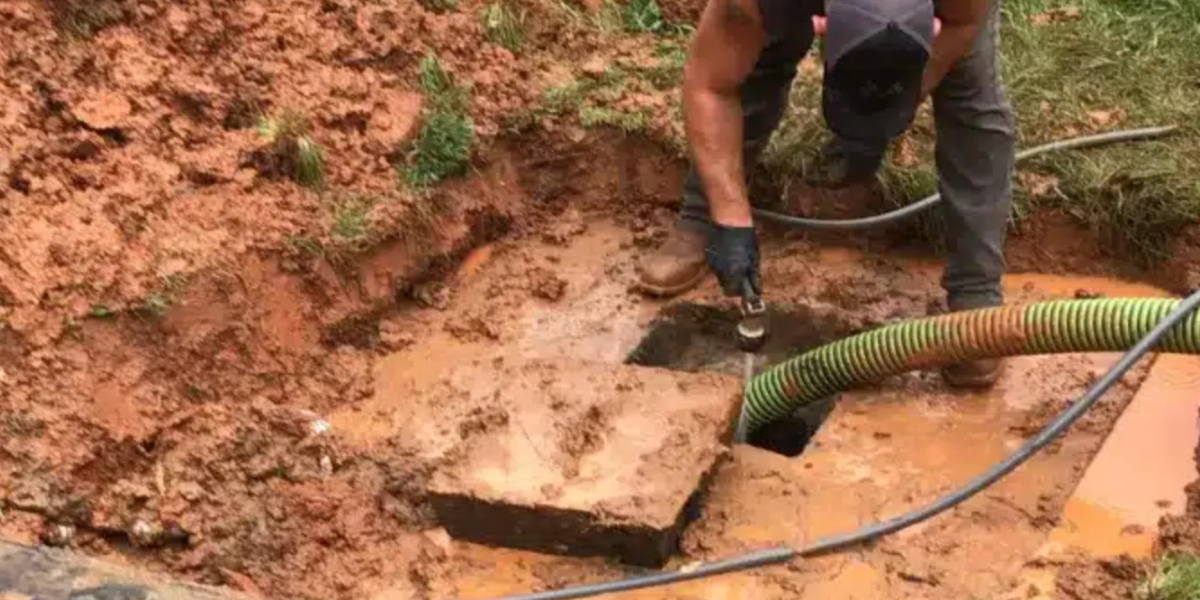
After the lid is uncovered, it should be checked for cracks, deterioration, unsafe openings, or poor access.
Damaged lids and hard-to-access tanks can slow down future service and create safety concerns around the yard.
5. Consider installing septic tank risers
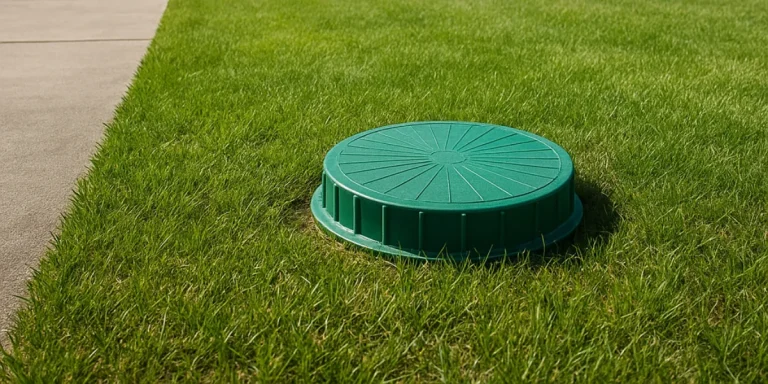
If the lid is buried deeply, septic tank risers can bring the access point closer to ground level.
-
-
- Easier future septic pumping
- Faster access during emergencies
- Less digging for inspections
- Better access for filter cleaning and maintenance
-
Risers are especially helpful for older systems or properties where the tank has been difficult to locate more than once.
When a missing septic lid becomes an urgent issue
A buried septic lid is inconvenient during routine maintenance, but it becomes a much bigger problem during an emergency. If wastewater is backing up and the lid cannot be found, service can be delayed while the tank is located and uncovered.
Contact Prime Septic immediately if you notice:
-
- Slow drains throughout the home
- Sewage backing up into tubs, showers, or toilets
- Strong sewage odors indoors or outside
- Wet areas forming near the drain field
- Repeated septic alarms or pump issues
Our team provides septic system repair, inspections, pumping, filter inspections, and drain field evaluations for homeowners across the region.
Prime Septic also services wastewater systems beyond standard residential tanks, including holding tank pumping, RV park septic pumping, lift station installation, and catch basin service for properties with more complex wastewater or drainage needs.
Proudly serving homeowners across Upstate South Carolina
Prime Septic provides septic pumping, inspections, repairs, filter inspections, riser installations, pump repairs, and drain field services throughout Upstate South Carolina.
We proudly serve homeowners and property owners in:
Whether you need routine septic maintenance, help locating a buried lid, or an expert opinion before a small problem gets worse, our team can evaluate the system and recommend the right next step.
For commercial and higher-use properties, we also provide services such as grease trap pumping, lift station support, holding tank pumping, and wastewater service for RV parks and similar properties.
Schedule your septic service today
If you can’t find your septic tank lid, waiting until an emergency can make service harder and more expensive.
Buried lids can delay pumping, inspections, filter cleaning, and repairs when your system needs attention most.
Contact Prime Septic today to schedule septic tank locating, septic pumping, a system inspection, or riser installation. Our experienced team provides reliable septic services for homeowners across Upstate South Carolina.