What To Do If Your Septic Tank Is Full
One of the most stressful septic problems for a homeowner is realizing the tank may be full after toilets stop flushing, drains slow down, or wastewater starts backing up into the home. These issues often feel sudden, but most septic systems show warning signs before a full backup happens.
If you think your septic tank is full, the most important step is to stop adding more water to the system and schedule professional service. Continuing to run laundry, showers, dishwashers, or multiple fixtures can push an already overloaded system into a more serious failure.
At Prime Septic, we help homeowners across Upstate South Carolina respond to septic problems quickly and safely. In this guide, we’ll explain why septic tanks become full, what signs to watch for, what to do right now, and when the issue may require more than standard septic tank pumping.
Why septic tanks become full
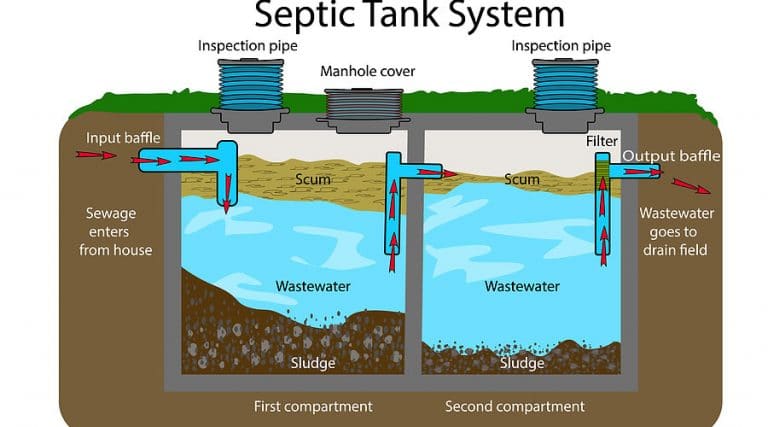
A septic tank is designed to hold wastewater long enough for solids, liquids, and scum to separate. Liquids move out toward the drain field, while heavier solids remain in the tank until they are removed during professional pumping.
Over time, the solid layer builds up. If the tank is not pumped on schedule, there is less usable space inside the tank and wastewater cannot move through the system the way it should. That is when slow drains, odors, backups, and drain field problems can begin.
Common reasons septic tanks fill up:
-
- The tank has gone too long without pumping
Routine septic pumping removes the sludge and scum that naturally collect inside the tank. Without it, the system eventually loses capacity. - The septic filter is clogged
A restricted filter can slow or block the movement of wastewater leaving the tank. Regular septic tank filter inspections help catch this before it creates a backup. - The household is using too much water at once
Back-to-back laundry loads, long showers, leaking toilets, and guests in the home can overload a system that is already near capacity. - The drain field is struggling
If wastewater cannot absorb properly into the soil, the tank may appear full again shortly after pumping. This can point to the need for septic drain field repair or a more detailed inspection.
- The tank has gone too long without pumping
We commonly see these problems in homes throughout Belton, Greenville, Piedmont, Simpsonville, and nearby Upstate communities, especially when systems have not been inspected in several years.
A professional septic system inspection can help determine whether the issue is a full tank, a clogged filter, a pump issue, a drain field concern, or a larger septic system repair need.
Warning signs your septic tank may be full
A septic tank rarely fails without warning. In most cases, homeowners notice smaller problems first, especially after heavy water use, long periods without pumping, or extended rainfall.
Recognizing these symptoms early can help prevent sewage backups, drain field damage, and more expensive septic repairs.
Slow drains and flushing problems
When the tank is nearing capacity, wastewater has a harder time moving through the system. Toilets may flush slowly, tubs may drain poorly, and sinks can begin holding water longer than usual.
If multiple fixtures are acting up at the same time, the problem is often larger than a single clogged drain and should be checked through a professional septic inspection.
Septic odors around the tank or drain field
Strong sewage smells near the tank, drain field, or plumbing lines can mean wastewater is not moving correctly. Odors often become stronger after laundry, showers, or heavy household water use.
This can be caused by a full tank, restricted outlet filter, damaged line, or another issue that may require septic system repair.
Wet spots or standing water in the yard
A full tank or overloaded drain field can force wastewater toward the surface, creating soggy areas or standing water near the septic field.
This should not be ignored, especially during dry weather. Persistent wet areas may indicate a failing field that needs drain field repair.
Septic alarms or pump-related issues
Homes with pumps, lift stations, or advanced systems may have an alarm that activates when wastewater levels rise too high. If your septic alarm is going off, stop heavy water use and have the system checked.
The issue may involve a full tank, a failed float, electrical trouble, a lift station problem, or the need for septic dose pump repairs.
Sewage backing up into the home
Once wastewater backs up into tubs, toilets, showers, or floor drains, the situation is urgent. Continuing to use water can make the backup worse and increase cleanup costs.
In many cases, emergency septic pumping and a full system evaluation are needed to find out whether the problem is limited to the tank or connected to a larger system failure.
What to do right away if your septic tank is full
If your septic tank appears full or wastewater is beginning to back up, the right steps can help limit damage while you wait for professional service.
1. Reduce all water usage immediately
Every gallon of water entering the system adds pressure to an already overloaded tank. Stop laundry, avoid running the dishwasher, keep showers short, and avoid using several fixtures at once.
This will not fix the septic problem, but it can help prevent additional wastewater from backing up into the home or pushing into a stressed drain field.
2. Schedule professional septic pumping
If the tank has not been pumped recently, professional pumping is often the first step. Prime Septic provides septic tank pumping for homeowners dealing with backups, odors, slow drains, and standing wastewater.
During the service, the technician can also look for visible signs of filter clogs, damaged lids, riser issues, or drain field concerns.
3. Do not open or work on the tank yourself
Septic tanks contain hazardous gases, bacteria, and confined-space risks. Homeowners should not remove lids, enter tanks, or attempt DIY pumping.
If access is difficult, a professional can determine whether septic tank risers would make future pumping and inspections safer, cleaner, and easier.
4. Avoid chemical drain cleaners and septic additives
Chemical drain cleaners and “quick fix” additives do not remove solids from a full tank. They can also damage bacteria, plumbing components, filters, pumps, and older lines.
If the system is backing up, it needs to be physically inspected and serviced, not treated with chemicals.
5. Have the full septic system evaluated
A tank that fills again quickly after pumping may point to another issue. Possible causes include a clogged filter, failed pump, crushed line, saturated drain field, or failing system components.
-
-
- Septic tank filter inspections
- Septic dose pump repairs
- Septic drain field repair
- Septic system replacement when repairs are no longer practical
-
A full septic system inspection helps determine the true cause before the same issue happens again.
When septic problems become emergencies
Some septic issues need immediate professional attention. Waiting too long can lead to sewage inside the home, contaminated yard areas, drain field failure, or damage that requires major repairs.
Contact Prime Septic immediately if you notice:
-
- Sewage backing up into tubs, showers, or toilets
- Large wet areas forming near the tank or drain field
- Strong sewage odors indoors
- Repeated septic alarms or pump failures
- Wastewater surfacing above the drain field
Our team provides septic system repair, inspections, pumping, troubleshooting, and drain field evaluations for homeowners across the region.
Prime Septic also services wastewater systems beyond standard residential tanks, including holding tank pumping, RV park septic pumping, lift station installation, and catch basin service for properties with more complex wastewater or drainage needs.
Proudly serving homeowners across Upstate South Carolina
Prime Septic provides septic pumping, inspections, repairs, filter inspections, riser installations, pump repairs, and drain field services throughout Upstate South Carolina.
We proudly serve homeowners and property owners in:
Whether you need routine septic maintenance, help with an active backup, or an expert opinion before a small problem gets worse, our team can evaluate the system and recommend the right next step.
For commercial and higher-use properties, we also provide services such as grease trap pumping, lift station support, holding tank pumping, and wastewater service for RV parks and similar properties.
Schedule your septic service today
If your septic tank is full, waiting usually allows the problem to get worse.
Slow drains, septic odors, alarms, and soggy drain field areas can quickly turn into sewage backups or larger repair needs if the system continues operating under stress.
Contact Prime Septic today to schedule septic pumping, a system inspection, or a full septic evaluation. Our experienced team provides reliable septic services for homeowners across Upstate South Carolina.