Septic Smell Outside? Here’s What It Means
Noticing a septic smell outside your home is usually a sign that something in the wastewater system needs attention. In some cases, the issue may be relatively minor, like a full septic tank or clogged filter. In other situations, strong sewage odors can point toward larger drain field or wastewater flow problems.
While occasional brief odors may happen during heavy rain or after pumping, persistent septic smells around your property should never be ignored. Septic systems are designed to contain and process wastewater underground, not release noticeable odors into the yard.
At Prime Septic, we help homeowners across Upstate South Carolina diagnose septic odors, inspect wastewater systems, and identify the source of slow drains, alarms, backups, and drain field problems before they become larger repairs. In this guide, we’ll explain what septic smells outside usually mean, what warning signs to watch for, and what homeowners should do next.
What causes septic smells outside?
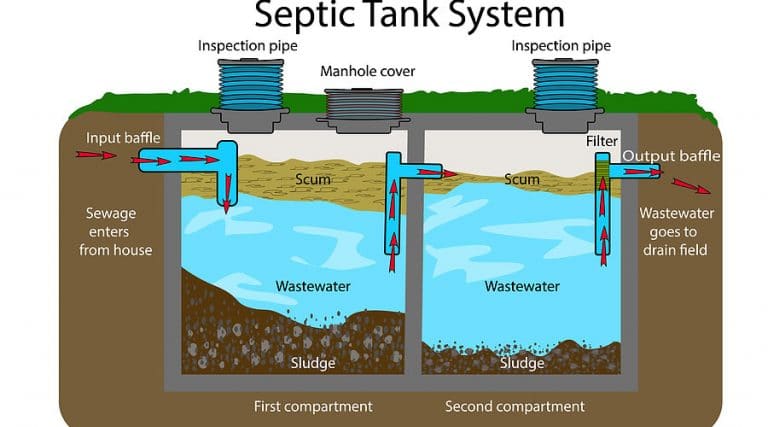
Septic odors outside the home are usually caused by wastewater gases escaping from somewhere they should not be. The exact cause can vary depending on the condition of the tank, filter, drain field, plumbing, and wastewater flow throughout the system.
In some cases, the issue is simply overdue maintenance. In others, the system may already be struggling to process wastewater properly.
Common causes of outdoor septic odors include:
-
- A septic tank that is overdue for pumping
As sludge levels rise inside the tank, wastewater may stop separating correctly and gases can become more noticeable around the property. Routine septic tank pumping helps prevent this buildup. - Restricted septic filters
A clogged outlet filter can interfere with wastewater movement and create pressure or flow issues inside the system. Professional filter inspections help identify these restrictions early. - Drain field saturation or failure
If the drain field is overloaded or struggling to absorb wastewater, sewage odors may begin surfacing near the septic area. This can eventually require drain field repair. - Pump, alarm, or wastewater flow problems
Systems with pumps or lift stations may develop flow restrictions, pump failures, or wastewater backups that contribute to strong odors outside. - Damaged lids, risers, or access points
Cracked lids or deteriorated access areas can allow gases to escape closer to the surface around the tank.
- A septic tank that is overdue for pumping
We commonly investigate septic odor complaints throughout Greenville, Piedmont, Pelzer, Simpsonville, and nearby Upstate communities, especially during periods of heavy rainfall or after systems have gone years without maintenance.
A professional septic system inspection is often the fastest way to determine whether the odor is related to overdue pumping, a restricted filter, drain field stress, or a larger wastewater problem.
Signs the smell may be coming from a larger septic issue
A septic odor by itself does not always mean the system is failing, but when odors are combined with other warning signs, the likelihood of a larger issue increases significantly.
Many homeowners notice additional symptoms beginning to appear at the same time the odors become stronger.
Slow drains throughout the home
If sinks, showers, tubs, and toilets are all draining slowly, wastewater may no longer be moving through the septic system properly.
This often happens when the tank is nearing capacity or the drain field is becoming overloaded.
Wet or soggy ground near the septic area
Standing water or saturated soil near the drain field can indicate wastewater is surfacing instead of dispersing underground.
This is one of the more serious warning signs that the system may require professional evaluation or drain field repairs.
Septic alarms activating
Homes with pumps or lift stations may trigger alarms when wastewater levels rise too high or the system cannot process flow correctly.
Repeated alarms combined with odors may point toward the need for dose pump repairs or additional wastewater troubleshooting.
Greener grass above the septic system
Grass growing unusually fast or appearing greener near the drain field can sometimes indicate excess moisture beneath the surface.
While not always a sign of failure, this may point toward wastewater movement issues if combined with odors or wet ground.
Sewage backing up inside the home
Once wastewater begins backing up into tubs, showers, toilets, or floor drains, the situation becomes much more urgent.
At this stage, the septic system may already be heavily overloaded or experiencing significant wastewater flow problems.
What homeowners should do if they smell sewage outside
If you notice persistent septic odors outside the home, it is important to address the issue before larger wastewater damage develops.
Waiting too long often allows the underlying problem to worsen, especially if the system is already under stress.
1. Reduce heavy water usage temporarily
If the system is struggling, reducing laundry, dishwashing, and long showers can help lower the amount of wastewater entering the tank temporarily.
This may help prevent backups while the system is being evaluated.
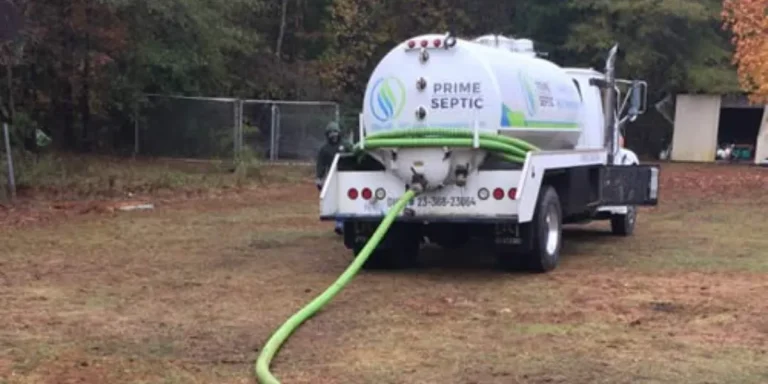
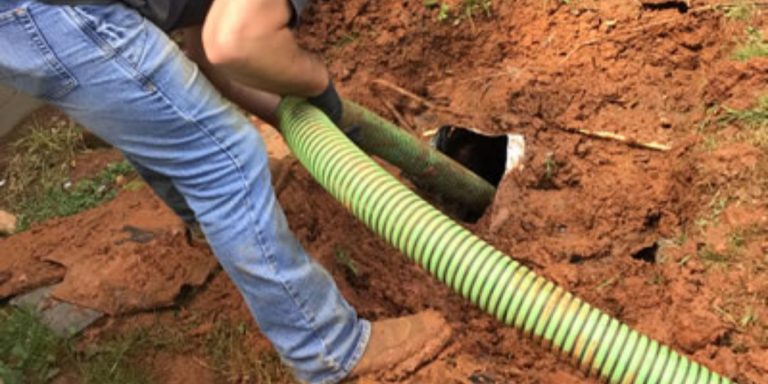
2. Schedule professional septic pumping if overdue
A tank that has not been pumped recently may simply be overloaded with sludge and floating waste.
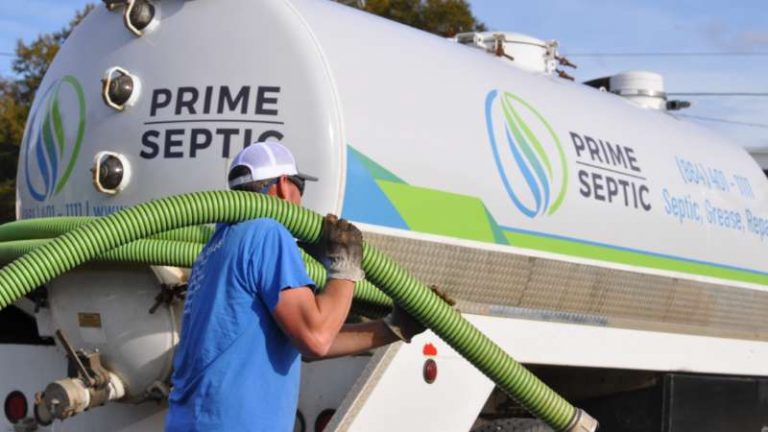
Professional septic pumping can restore capacity inside the tank and reduce pressure on the overall system.
3. Have the septic filter inspected
Restricted filters are one of the more common causes of wastewater flow problems and septic odors.
Regular filter inspections and cleaning help prevent these restrictions from worsening.
4. Inspect the drain field condition
If odors are strongest near the drain field, the soil may already be struggling to absorb wastewater properly.
Professional inspection helps determine whether the field is overloaded, saturated, or beginning to fail.
5. Address developing repairs early
Small wastewater issues often become much more expensive when ignored.
Professional septic repairs completed early may help avoid larger system failures later.
Can weather make septic smells worse?
Yes. Weather conditions can sometimes make septic odors more noticeable even when the system is only beginning to struggle.
Heavy rain can saturate the soil around the drain field, slowing wastewater absorption and allowing odors to rise closer to the surface. Hot weather may also intensify existing sewage odors around the property.
In colder weather, frozen or partially restricted wastewater lines can occasionally contribute to odor problems as well.
While weather may temporarily increase the smell, persistent odors usually still indicate the septic system should be professionally inspected to rule out larger problems.
When septic odors become an emergency
Some septic odors are simply early warning signs. Others indicate the system may already be approaching failure.
Contact Prime Septic immediately if you notice:
-
- Sewage backing up into the home
- Large wet areas forming near the drain field
- Strong sewage odors that continue getting worse
- Repeated septic alarms or pump failures
- Wastewater surfacing above the septic field
Our team provides septic system repair, pumping, inspections, troubleshooting, and wastewater evaluations for homeowners across Upstate South Carolina.
Prime Septic also services more advanced wastewater systems including holding tank pumping, RV park septic pumping, lift station installation, and catch basin service.
Proudly serving homeowners across Upstate South Carolina
Prime Septic provides septic pumping, inspections, repairs, filter inspections, riser installations, pump repairs, and drain field services throughout Upstate South Carolina.
We proudly serve homeowners and property owners in:
Whether you need routine septic maintenance, help diagnosing strong odors, or an expert opinion before a small issue becomes a larger repair, our team can evaluate the system and recommend the right next step.
For commercial and higher-use properties, we also provide grease trap pumping, lift station support, wastewater pumping, and septic services for larger wastewater systems.
Schedule your septic service today
Strong septic odors outside are often an early warning sign that the wastewater system needs attention.
Addressing the issue early may help homeowners avoid backups, drain field damage, and more expensive septic repairs later.
Contact Prime Septic today to schedule septic pumping, a system inspection, or a full septic evaluation. Our experienced team helps homeowners across Upstate South Carolina diagnose and resolve septic problems safely and professionally.